Research area

Marine Environmental Monitoring

Measuring aquatic ecosystems for conservation

Research Overview

Exploring New Frontiers in Marine Environmental Monitoring

Healthy marine ecosystems depend on understanding how physical conditions, water chemistry, biological communities, and human activities change over time. Many of these changes are gradual, local, or episodic, and they are easily missed by occasional sampling campaigns.

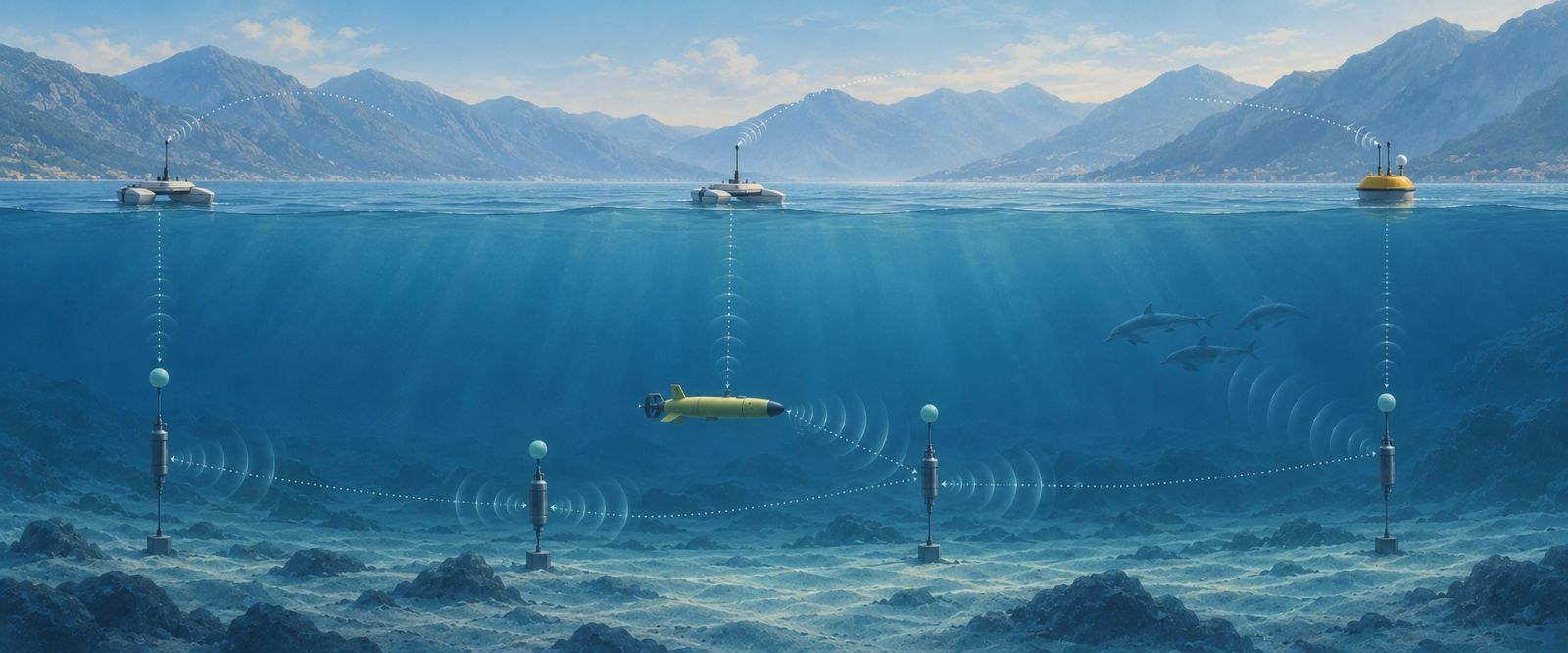
Our research combines acoustic, physical, chemical, and biological measurements with sensor networks and data analysis to observe aquatic ecosystems continuously and to support biodiversity assessment, pollution monitoring, underwater noise analysis, and evidence-based marine conservation.

Research Programme

Research workstreams

Distinct lines of enquiry, connected by one shared validation pathway.

Multi-parameter environmental sensing

No single measurement describes the state of the marine environment. Combining several parameters reveals processes such as water-column stratification, oxygen depletion, and the effects of freshwater inflow.

We work with sensing systems that measure:

  • Temperature and salinity
  • Dissolved oxygen
  • pH
  • Turbidity and suspended particles
  • Chlorophyll and other optical indicators
  • Nutrients and selected contaminants
  • Currents and sea-level variations

Continuous multi-parameter observations make it possible to link short-term events with long-term trends.
Passive acoustic monitoring

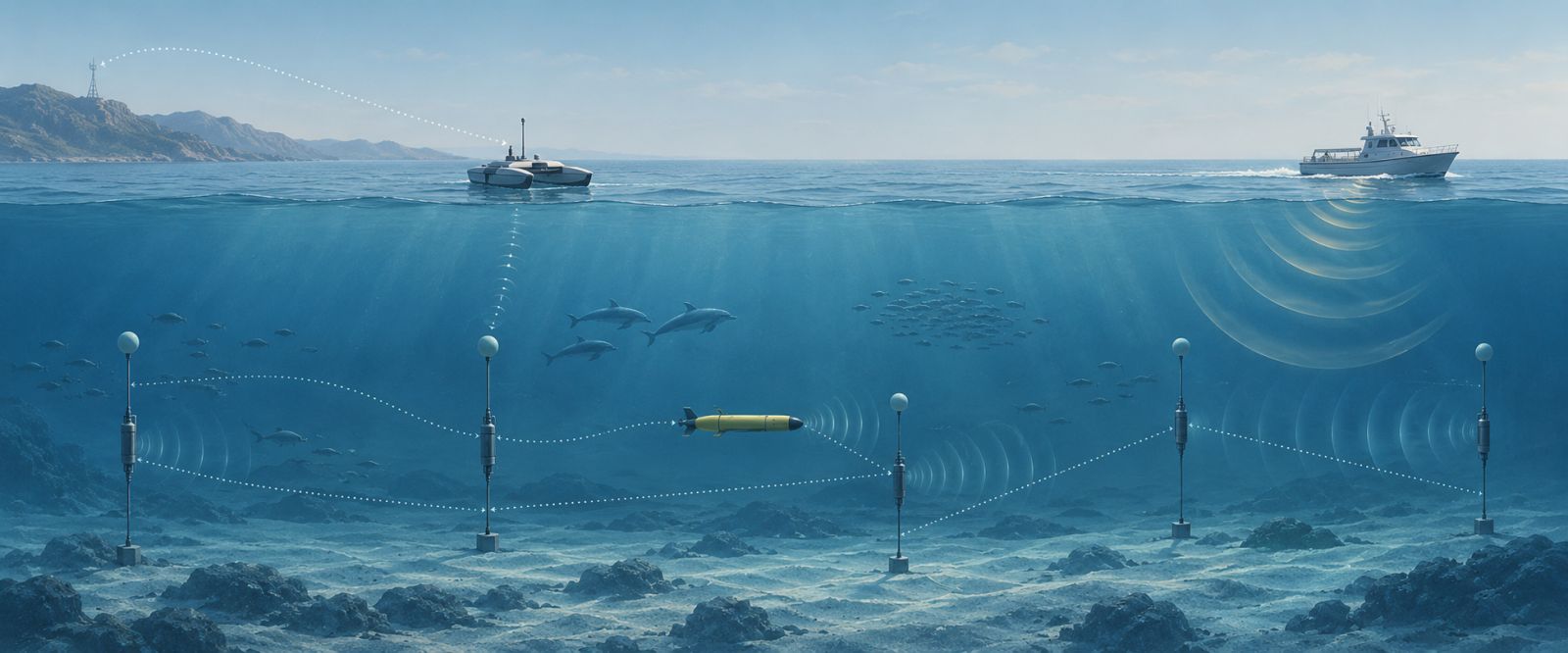
Many marine animals produce sound to communicate, navigate, and find food. Listening to the underwater soundscape provides information about the presence and behaviour of species without disturbing the environment.

Our research includes:

  • Detection of marine mammal and fish sounds
  • Characterisation of soundscapes in different habitats
  • Long-term acoustic recording and analysis
  • Acoustic indicators of biodiversity
  • Combination of acoustic and environmental data

Passive acoustics allows continuous observation by day and night, and in conditions where visual surveys are not possible.

Underwater noise analysis

Shipping, construction, recreational boating, and other human activities introduce noise into the sea that can mask animal communication and alter behaviour.

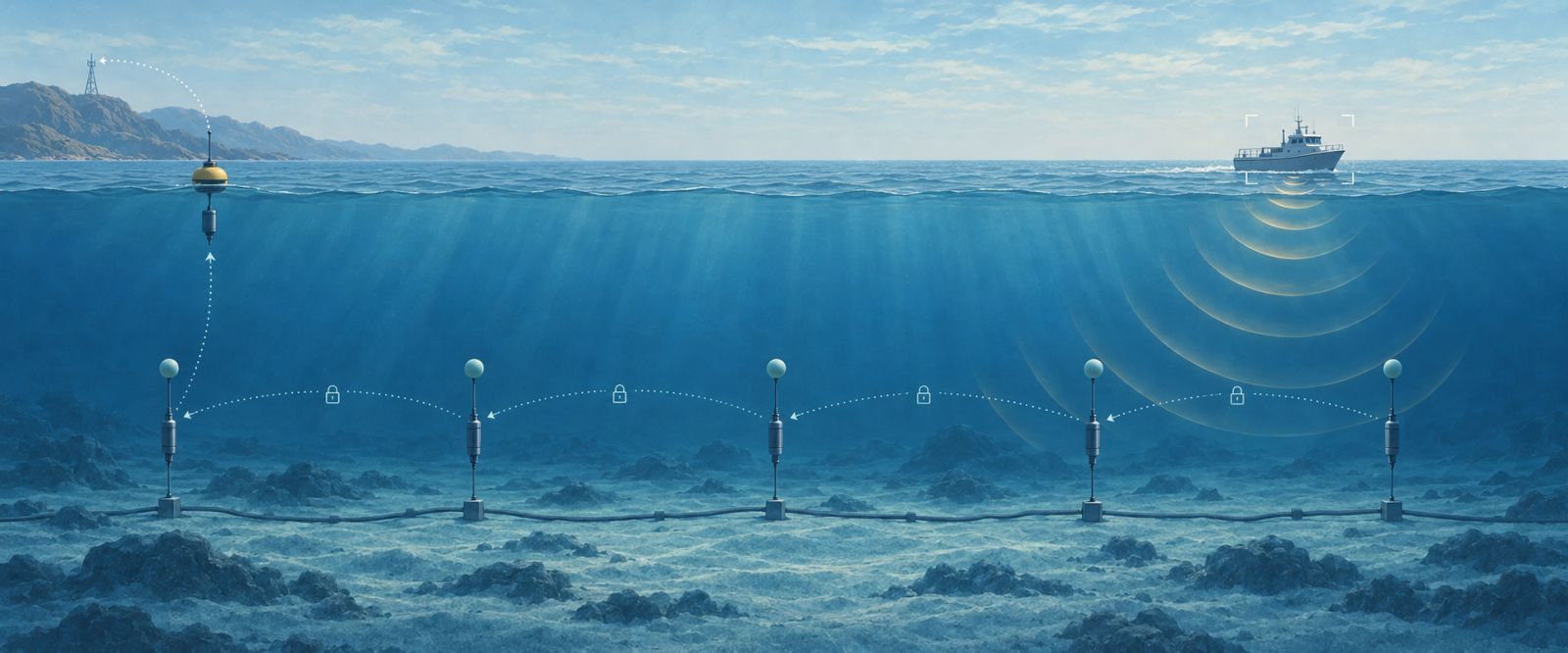
We measure and analyse underwater noise to identify its sources, describe how it varies in space and time, and assess its potential impact on marine life. This work supports noise assessment approaches such as those used under the EU Marine Strategy Framework Directive and informs measures that reduce acoustic pressure on sensitive areas.

Pollution and water-quality monitoring

Pollution events can develop quickly and affect coastal ecosystems, aquaculture, tourism, and public health.

We investigate monitoring approaches for:

  • Early detection of changes in water quality
  • Monitoring of wastewater and freshwater inflows
  • Detection of low-oxygen events
  • Tracking of turbidity and sediment plumes
  • Indicators of eutrophication
  • Monitoring near ports, marinas, and aquaculture sites

Timely detection gives authorities and stakeholders more time to respond and limit environmental damage.

Biodiversity and ecosystem assessment

Conservation decisions require reliable information about which species are present, where they occur, and how their habitats are changing.

We combine acoustic observations, environmental measurements, imagery, and other biological data to assess ecosystem condition and track changes over time. This includes supporting the monitoring of protected areas and sensitive habitats, and identifying environmental pressures that may affect them.

Data quality, integration, and long-term observation

Environmental data are only valuable if they are accurate, comparable, and accessible. Sensors drift, become fouled, and fail, and data from different instruments must be combined consistently.

Our research includes:

  • Sensor calibration and quality control
  • Detection of drift, biofouling, and faulty readings
  • Fusion of data from different sensors and platforms
  • Long-term data management
  • Data sharing according to open-science principles

Reliable long-term datasets are the foundation for detecting trends and evaluating conservation measures.

Our vision

Our goal is to develop monitoring systems that observe aquatic ecosystems continuously, detect important changes as they happen, and provide reliable data over many years.

By combining environmental sensing, passive acoustics, underwater networks, and data analysis, we aim to give scientists, authorities, and communities the evidence they need to understand, protect, and sustainably manage the marine environment.